
Plan a DFW Commercial Landscape Budget for 2027
A DFW property manager’s framework for separating recurring landscape care, repairs, enhancements, and weather contingencies in the 2027 budget.
Published September 14, 2026 · 7 min read · Land Care Landscape Management
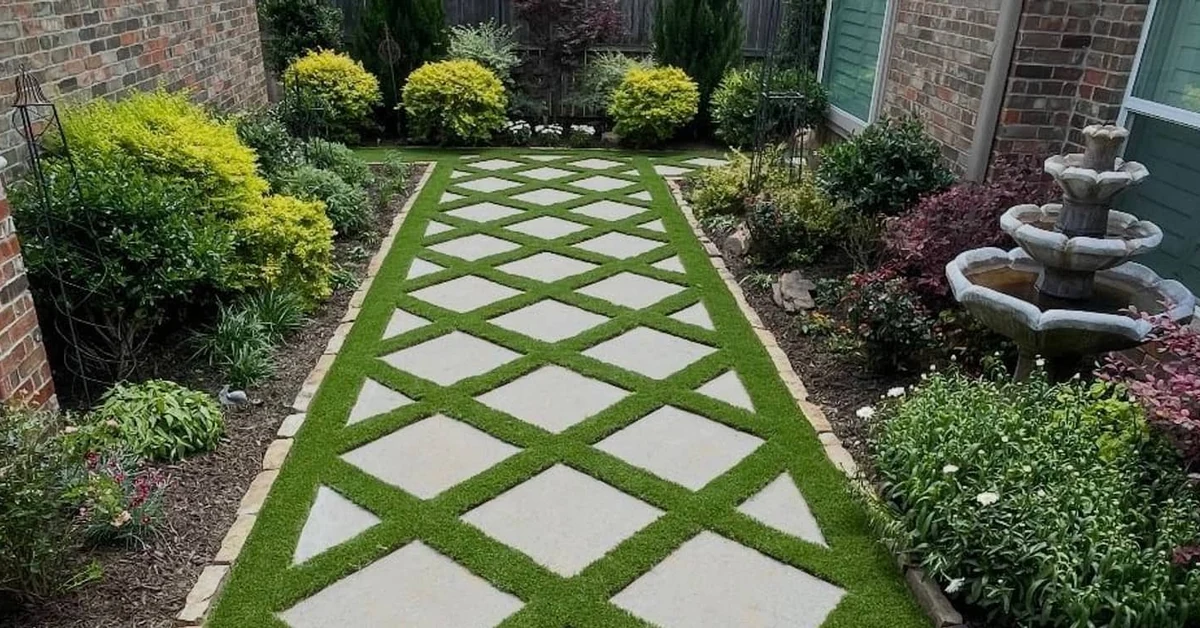
A useful DFW commercial landscape budget separates predictable service from uncertain repairs and planned improvements. Put routine grounds care in one line, irrigation and tree allowances in another, and larger enhancements in a capital plan. Add a weather contingency that reflects North Texas heat, storms, and occasional ice. When every cost sits inside one maintenance number, the first unexpected repair can knock the entire plan off course.
September is a good time to build the 2027 framework. Summer stress is visible, fall improvements are being discussed, and there is still time to compare priorities before budget approval.
Key takeaways
- Separate recurring maintenance, repairs, enhancements, and weather response.
- Budget around property standards and risk, not last year's invoice with a flat percentage added.
- Use irrigation history, tree condition, drainage trouble, and site complaints to rank needs.
- Write assumptions down so proposals can be compared on the same scope.
Begin with the standard the property must hold
A medical office, HOA entrance, industrial site, and corporate campus do not need the same presentation level. Before choosing a number, define what occupants and visitors should see each week. Note mowing frequency, bed appearance, seasonal color expectations, pruning style, litter tolerance, irrigation response time, and reporting requirements.
Land Care Landscape Management's commercial grounds maintenance service outlines the recurring work that may belong in a base scope. Use it as a prompt, then tailor the details to the property rather than accepting a vague promise to maintain the landscape.
Make exclusions visible
A proposal can look complete while excluding mulch, flowers, irrigation parts, storm cleanup, tree work, or bed renovations. Those are not minor details. List each exclusion next to the budget line that would cover it. This makes a lower price easier to understand and prevents an owner from treating every later proposal as a surprise.
Build four budget buckets
1. Recurring grounds care
This is the predictable service calendar: mowing, edging, bed care, routine pruning, leaf management, and scheduled site visits. The scope should name frequencies or seasonal triggers. It should also state who reports broken heads, declining plants, drainage issues, and safety concerns.
For communities with shared standards and resident expectations, review the HOA and community landscaping approach. The budget should account for entry features, common areas, amenity zones, and communication, not only acreage.
2. Repairs and replacements
Some failures cannot be scheduled to the exact month. Irrigation valves stick. Heads break. A declining tree may need assessment. Traffic or utility work can damage turf. Create an allowance based on actual history, then define the approval threshold for using it.
Pull the previous twelve to twenty-four months of work orders. Group them by irrigation, trees, drainage, plants, turf, and hardscape. One repeated issue is more useful than a broad guess. If irrigation repairs appear every month, review the irrigation maintenance and repair scope and decide whether the system needs an audit, not a larger emergency fund.
3. Planned enhancements
Enhancements are deliberate changes that improve appearance, function, or maintainability. They may include a redesigned entry bed, conversion of failing turf, drainage correction, lighting, new plantings, or a hardscape repair. Rank them by business reason and site risk.
Start design work before the month when the finished change is needed. Some projects require measurements, a rendering, plant selection, owner review, procurement, and coordination with other contractors. The design and rendering service shows how a concept can be reviewed before installation dollars are committed.
4. Weather and event contingencies
DFW properties can move from drought stress to heavy rain, then face an ice event months later. A contingency should explain what it is for. Storm debris, freeze damage, emergency irrigation repair, and ice management are different responses with different approval paths.
Do not hide all weather risk inside recurring maintenance. Keep a controlled reserve and a contact process. If winter access matters, the North Texas ice event checklist can help property teams identify priority entrances, shaded walks, and communication roles before cold weather.
Use site evidence to rank the plan
A walk-through should produce a short, visual list. Photograph failed turf, recurring wet areas, exposed roots, broken edging, blocked signs, declining plants, uneven color, and hardscape movement. Add notes from tenants, residents, maintenance staff, and ownership. Then sort each item by safety, property function, asset protection, appearance, and convenience.
Drainage belongs near the top when water threatens walks, foundations, parking edges, or repeated plant failure. North Texas clay can make surface flow and slow infiltration obvious after a storm. Review the DFW clay soil drainage guide and the property's own rain observations before assigning money to replace plants in the same wet spot again.
Check the irrigation baseline
Water use can rise because of weather, a schedule problem, poor coverage, or a leak. Compare seasonal bills, controller settings, run times, and repair history. The EPA WaterSense program recommends regular irrigation system checks and repair of leaks and broken or clogged sprinkler heads in its watering guidance. A working inspection line in the budget can prevent the repair allowance from becoming the only irrigation strategy.
Compare proposals on identical assumptions
Ask each contractor to price the same map, frequencies, bed square footage, turf assumptions, reporting standards, and exclusions. Confirm whether labor, disposal, materials, taxes, and equipment are included. A bid that uses different visit frequencies is not a direct comparison even when the totals sit in the same spreadsheet column.
Credentials and insurance requirements should be checked before award, not after an incident. Land Care's commercial credentials and insurance page lists the kind of documentation property teams can request and verify.
Create an approval path for unplanned work
A repair allowance still needs control. Set a dollar threshold, name who can approve work, and define what qualifies as an emergency. Require a photo and short explanation for nonroutine recommendations. Decide whether unused allowance rolls forward, returns to the operating budget, or supports a preapproved enhancement.
This process protects both speed and oversight. A broken main line should not wait through a monthly committee cycle, while a cosmetic bed redesign should not be labeled an emergency.
Frequently asked questions
How much should a commercial property add for landscape contingencies?
There is no responsible flat percentage for every property. Use the site's repair history, plant maturity, irrigation condition, tree exposure, drainage risk, contract exclusions, and approval tolerance to set an allowance.
Should irrigation repairs be included in the maintenance contract?
Routine inspection may be included, while parts and repairs are often separate. The agreement should state who identifies a problem, how it is documented, what approval is required, and which costs are excluded.
What belongs in operating expense versus capital improvement?
That classification depends on ownership policy and accounting guidance. Recurring care commonly sits in operations, while larger replacements or redesigned assets may follow a capital process. Confirm the rule with the property owner or accountant.
When should DFW property managers request 2027 proposals?
Start early enough to complete a site walk, reconcile scope, compare assumptions, review insurance, and secure internal approval before the desired service date. September gives many teams room to do that without rushing year-end decisions.
Turn the budget into a property plan
A strong budget tells the operations team what should happen, what can fail, and how larger improvements will be approved. Schedule a commercial site review through the Land Care contact page to compare the 2027 plan with current property conditions and service expectations.
Build a 2027 Plan Around Your Property
Connect recurring care, repair allowances, planned improvements, and weather response in one practical commercial landscape plan.