
Switching Landscape Contractors Without the Rough 90 Days
The risk in changing contractors was never the price — it is six weeks of a ragged property while a new crew learns your gate codes, your irrigation zones, and your board’s walk schedule. Here is exactly how we take over a property so that does not happen.
The Gap Is Where Properties Get Ugly
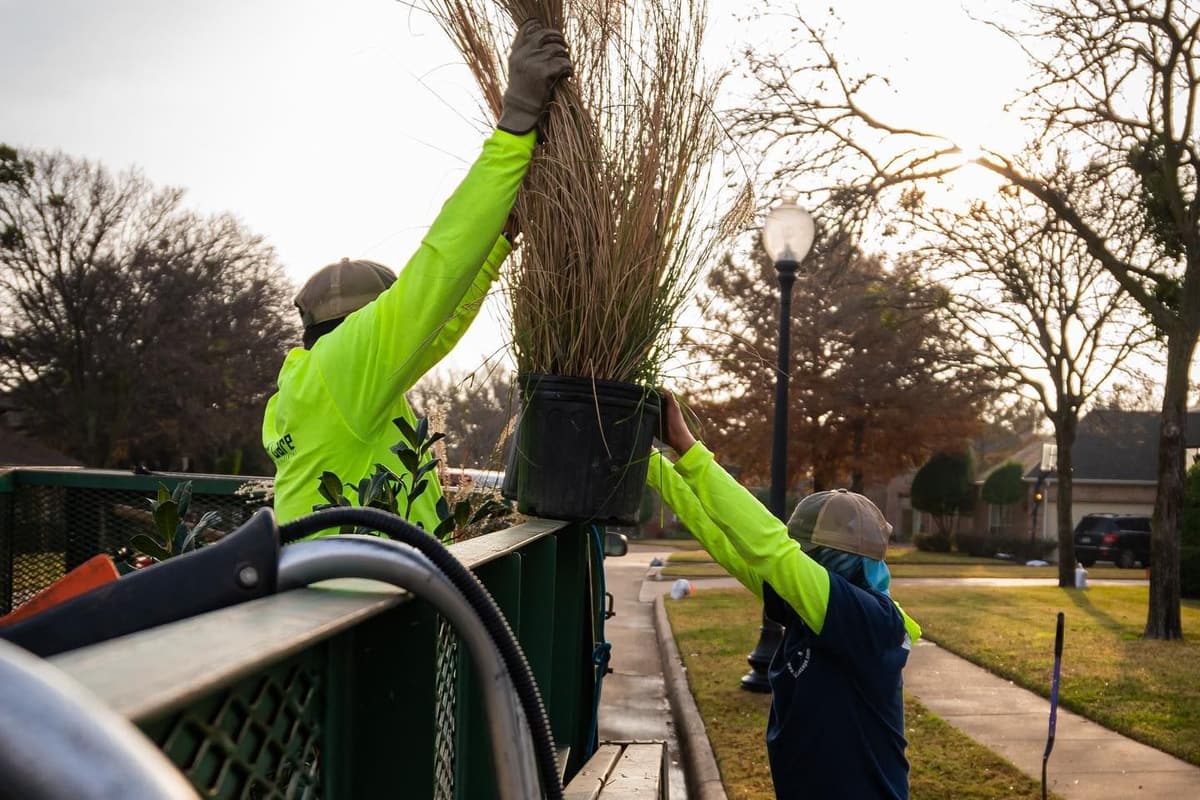
Most bad transitions share one cause: the new contractor started discovering the property after they took it over. Nobody documented the failing irrigation zone, nobody knew which gate needed a code, and the first month got spent on surprises instead of the property.
We front-load all of it. By the time we take over, we have already walked the grounds, written down what we inherited, and built the first ninety days around it — so week one is execution, not discovery.
And you are not our first: property managers switch to us regularly, usually after the same story — a contractor who stopped communicating and a property that quietly slid.
What the First Ninety Days Actually Look Like
Written down, agreed in advance, and something you can hold us to.
We walk the property and document what we are inheriting: turf condition, bed health, irrigation zone-by-zone, tree canopy risks, drainage, and hardscape. You get the findings in writing — including anything the prior contractor let slide.
Crews, equipment, and schedule in place. Gate codes, access, contacts, and site maps documented. Your account manager introduces themselves in person, not by email.
We target what people see first — entries, frontage, walkways, and the corners tenants notice — while the deeper turf and bed recovery gets underway. The property should look better inside the first two weeks.
Irrigation repairs, turf health programs, and bed restoration on a corrected schedule. Anything requiring approval is quoted and presented, not assumed.
The property is on standard and the maintenance rhythm is set. We walk it with you, review the audit findings against where things stand, and set the enhancement plan for the year.
Consistent crews, proactive communication, and a defined escalation path if something slips — because a multi-year partnership only works if problems get fixed in days, not quarters.
“The Improvement Is Like Night and Day”
“They have installed and maintained our new landscaping at our corporate office in Carrollton, TX and we receive compliments from our tenants often. We have an excellent working relationship… Their customer service team keeps me abreast of upcoming service, as well as quarterly reviews of our irrigation system to make sure it is running at full capacity. We switched from another provider and the improvement is like night and day.”
Laura Trueblood · corporate office, Carrollton, TX · Google review
Transition Questions
How long does a contractor transition actually take?
Mobilization happens on day one — crews, equipment, and schedule are in place before your prior contractor’s last visit. Bringing a neglected property back to standard is what takes time: typically thirty to ninety days depending on how far turf, beds, and irrigation have drifted. We tell you which category your property is in during the walk, before you sign anything.
What if our current contract has not ended yet?
That is the normal case, and it is the right time to talk. Site walks, scope development, and board or ownership approval all take weeks — starting that while you are still under contract means we mobilize the day after their last visit instead of leaving a gap.
Will the property look worse before it looks better?
It should not. That is the entire point of front-loading the site audit and the first-thirty-days punch list — we know what we inherited before we start, so the first visits target what is most visible rather than discovering problems at your expense.
What happens if you are not meeting the standard?
You tell your account manager and we fix it — that is what a named contact is for. Our agreements include a defined escalation path and cure period; we would rather correct something in a week than lose a multi-year partnership over it.
Start the Conversation Before the Contract Ends
The best transitions begin weeks before the switch. Let’s walk the property now, so day one is execution instead of discovery.