
Lawn Fertilization Built for North Texas Turf
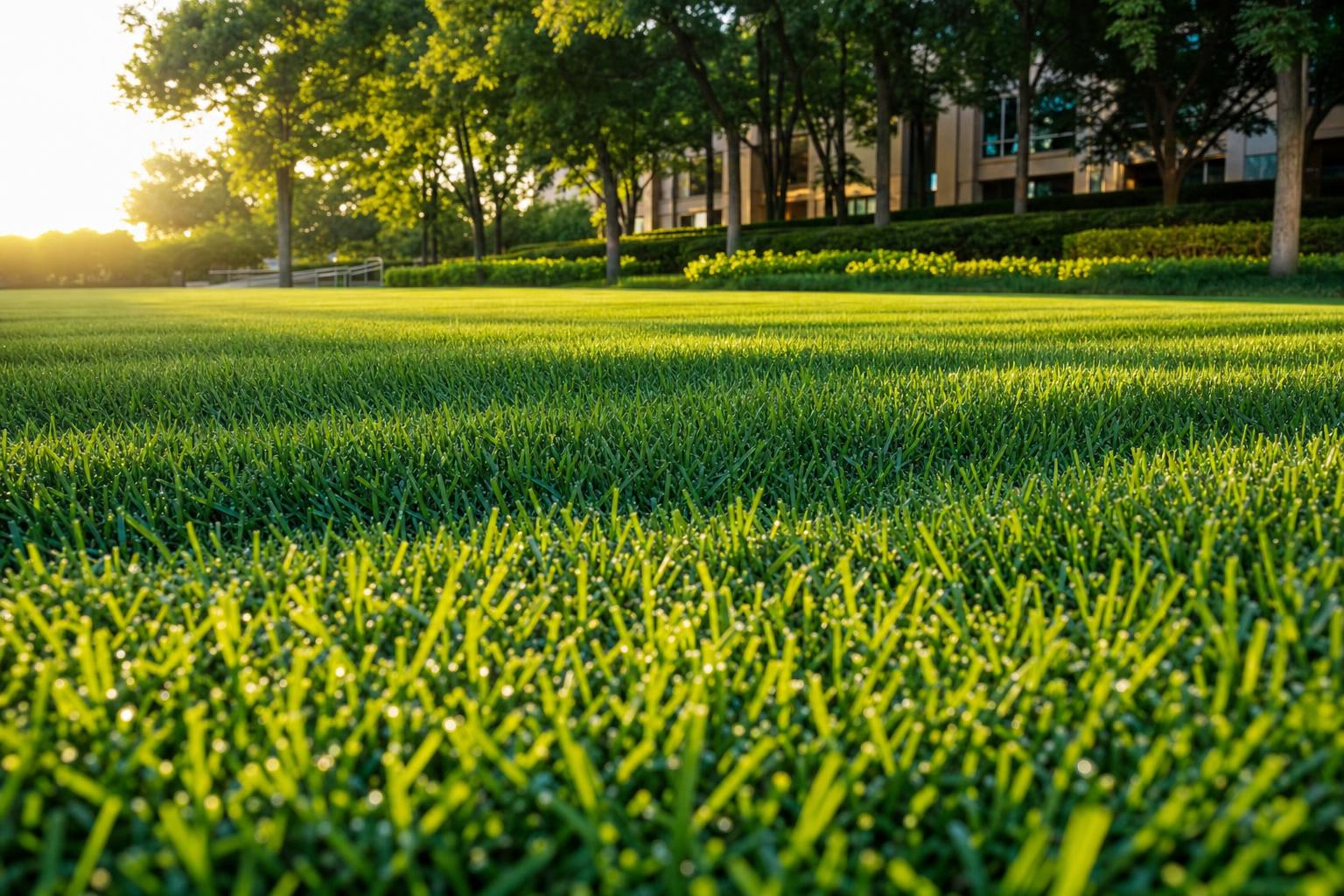
Deep color and dense turf aren’t luck — they’re nutrition on a schedule. Our fertilization programs feed bermuda, zoysia, and St. Augustine exactly what the season calls for, so lawns across DFW green up early, hold color through the heat, and go into winter strong.
Feeding a Lawn Is a Calendar Sport
Warm-season turf runs on rhythm: wake-up feeding as soil warms, steady nitrogen through the growing months, and a fall application that builds the root reserves winter survival depends on. Dump spring-rate fertilizer in August heat and you burn a lawn; skip fall and spring green-up limps.
We build programs around slow-release blends matched to DFW’s alkaline clay, applied at rates the turf can actually use — and because our crews see your lawn on regular visits, the program adjusts to what the grass says, not just what the bag suggests.
- Programs for bermuda, zoysia & St. Augustine
- Slow-release blends for clay soils
- Season-matched rates — never burn risk
- Adjusted by eyes on your turf
A Year of Feeding, Planned in Advance
Each application has a job. Together they make the lawn.
The wake-up feeding timed to soil temperature, not the calendar page.
Steady nutrition at heat-safe rates that hold color through triple digits.
The application that decides how your lawn survives winter and starts spring.
Formulations chosen for alkaline DFW clay, with iron where turf runs chlorotic.
Feedings sequenced with weed control, aeration, and irrigation for compound results.
Fertilization Questions
How many fertilizer applications does a DFW lawn need?
Most warm-season lawns do best on four to five applications across the growing season — more is not better, it is just mowing. The win comes from timing and rate: the right nitrogen when turf can use it, and root-building nutrition in fall when it matters most.
Why does my lawn stay yellowish even when I water?
On DFW’s alkaline soils that is often iron chlorosis rather than drought — especially in St. Augustine. It is a soil chemistry problem, and it is treatable: iron-inclusive feeding and the right program usually restore deep color within a season.
Is fertilization worth it on a commercial property?
It is the difference between turf that photographs green and turf that photographs tired — across acres. Dense, well-fed turf also crowds out weeds and shrugs off traffic, which quietly lowers the rest of the maintenance bill.
Also on Your Property’s List?
Feed the Lawn Like You Mean It
Get on a program built for your turf and your soil — and watch what a properly fed lawn looks like by June.