
Trimming & Pruning That Respects the Tree
Every cut on a tree is permanent — the right ones build structure, health, and beauty for decades; the wrong ones invite decay and disaster. We prune to arboricultural standards, on the calendar each species demands, from shrubs at the entry to the oaks over the roof.
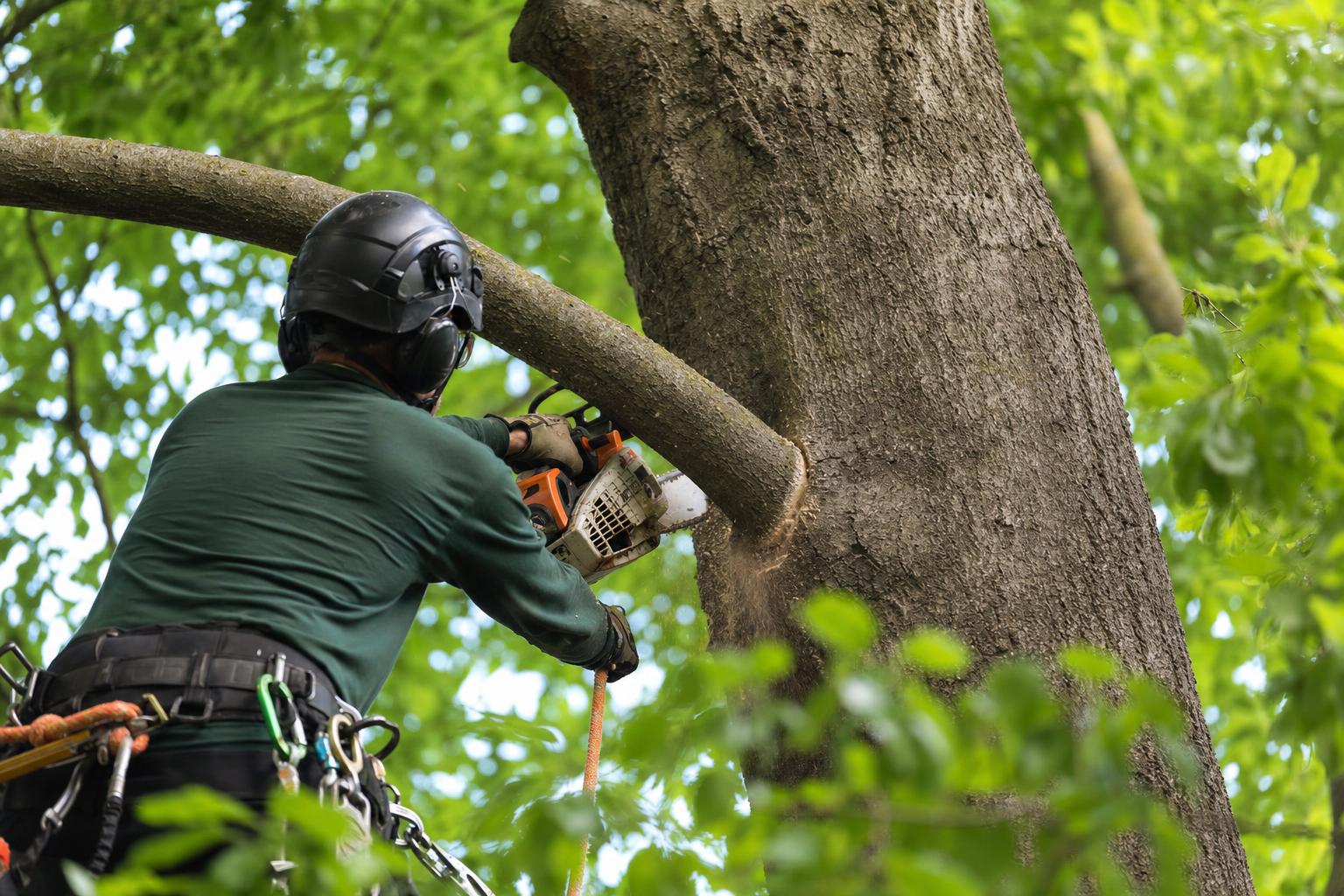
Prune for the Tree You Want in Ten Years
Good pruning is selective: deadwood out, rubbing and structurally weak limbs corrected, canopies thinned for light and wind rather than gutted, clearance lifted off roofs, walks, and drives — every cut at the branch collar so the tree seals instead of rots. What we never do is top a tree; that’s vandalism with a chainsaw.
In North Texas, timing is a disease issue: oak wilt makes pruning oaks in the wrong months genuinely dangerous, so our schedule respects the safe windows and seals cuts when the calendar forces an exception. Shrubs and ornamentals get the same species-first treatment — pruned after bloom, not into next year’s flowers.
- Collar cuts, structural pruning — never topping
- Oak-wilt-safe timing on all oaks
- Roof, walk & sight-line clearance
- Shrubs pruned to species & bloom cycle
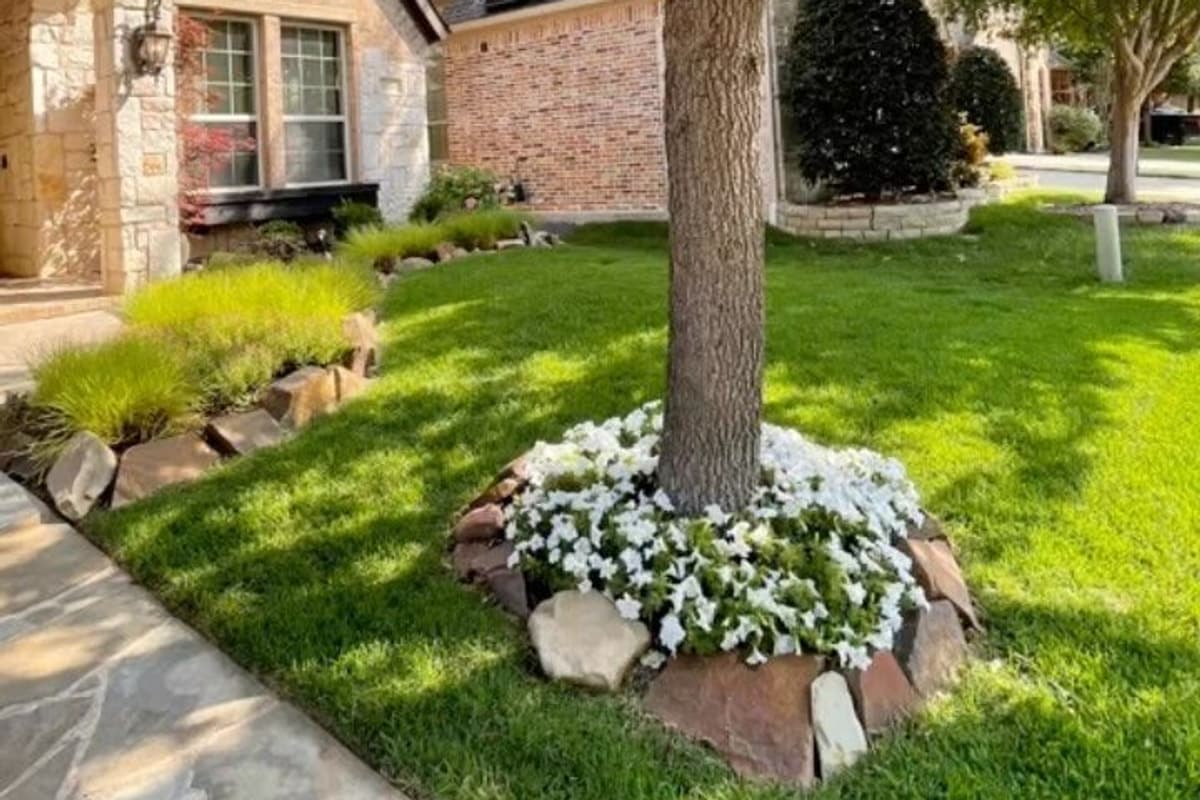
Every Cut a Property Actually Needs
From canopy structure to entry-bed shaping — one team, right standards.
Young and mature trees shaped for strength before weather tests them.
The limbs that drop in every storm, removed before they choose a target.
Canopies lifted off roofs, drives, walks, signage, and sight triangles.
Hedges, foundations, and specimens shaped clean on bloom-safe schedules.
Torn limbs cut back to clean wood so damage heals instead of spreads.
Trimming & Pruning Questions
When is it safe to prune oak trees in North Texas?
The safe window is the cold months — roughly July’s heat aside, the rule of thumb here is to avoid pruning oaks from February through June, when the beetles that spread oak wilt are most active. When emergency cuts cannot wait, we seal them immediately. It is a detail that protects an irreplaceable asset.
How often should trees be professionally pruned?
Mature shade trees typically want attention every few years, young trees more often while structure is forming, and shrubs annually or by bloom cycle. On maintained properties, our crews flag what is due so pruning happens on schedule instead of after a limb makes the decision.
Why is topping a tree so bad?
Topping removes the canopy’s food factory and forces panicked, weakly attached regrowth while opening every cut to decay — the tree gets uglier, weaker, and more dangerous at the same time. Any crew proposing it is telling you who they are. Proper reduction pruning achieves the goal without the destruction.
Also on Your Property’s List?
Put Your Canopy in Careful Hands
Walk the property with us. We’ll show you what each tree needs — and the safe season to do it.