
Commercial Landscape Maintenance for Texas Heat
August is when small maintenance misses become visible from the parking lot. This field guide helps DFW property teams read heat stress early, separate symptoms from causes, and protect curb appeal without chasing every brown patch.
Published August 10, 2026 · Updated August 19, 2026 · Land Care Landscape Management
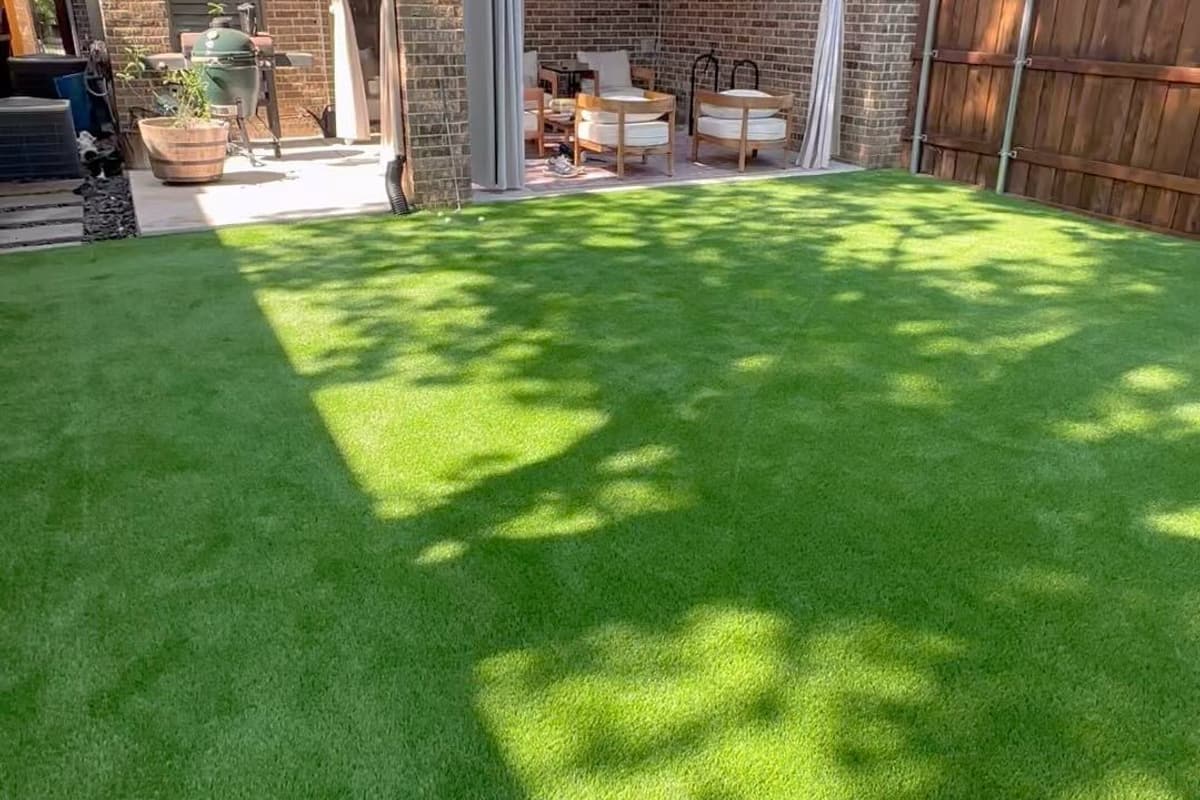
A DFW commercial property can look polished in the morning and tired by late afternoon. Pavement throws heat back into planting beds. Turf beside a sunny drive lane responds differently than turf under mature trees. Seasonal color at a monument sign carries a higher visual burden than a quiet utility edge. When every zone is managed the same way, the most visible parts of the property often show stress first.
Strong commercial landscape maintenance during Texas heat is not a race to add water or replace plants. It is a disciplined process: read the property, verify the cause, rank the impact, make the right adjustment, and document what comes next. That approach protects curb appeal while keeping the property team focused on work that solves the real problem.
Heat exposes the weak links in a maintenance plan
August rarely creates a landscape problem from nothing. It reveals small coverage gaps, compacted routes, thin mulch, missed weeds, declining plants, and unclear service responsibilities that were easier to overlook in spring. A proactive commercial grounds maintenance program uses those signals as an early-warning system rather than waiting for a tenant complaint or board walk.
The first question should be, “What changed here?” Look at the shape of the symptom, its exposure, the condition of nearby plants, and what the irrigation zone is doing. If the same plant type is healthy elsewhere, the location may be the issue. If a clean arc of turf is declining, coverage deserves attention. If an entire sunny edge looks faded after weeks of reflected heat, changing one nozzle may not solve it.
Our commercial irrigation inspection checklist goes deeper on controller, zone, and coverage review. The important point for a summer maintenance walk is simple: observe before adjusting. More minutes can create runoff or root problems when the real issue is a broken head, blocked spray, heavy soil, or plant selection.
Build a heat map of the property
Property managers do not need a complicated diagram to see patterns. Start with a current site plan or an aerial image and mark the places that deserve a closer summer rhythm. Review the same locations each week so changes are visible over time.
- Red zones: entrances, monument signs, leasing offices, amenity approaches, and public walkways where appearance or safety matters immediately.
- Orange zones: south- and west-facing beds, parking islands, narrow turf strips, reflected-glass areas, and young trees with limited root zones.
- Green zones: stable areas that still need routine care but are not showing active decline.
- Watch zones: repaired irrigation areas, recent plantings, construction edges, drainage trouble spots, and locations with a history of repeated callbacks.
This map turns “the property looks dry” into a useful discussion. The landscape partner can report that two high-visibility beds need action, three parking islands are stable, and one turf strip requires an irrigation inspection. That is a clearer approval path than treating the whole site as one emergency.
Read turf, beds, trees, and hard edges separately
Turf: look for pattern before color
Turf stress can show as fading color, footprints that linger, thinning near pavement, or uneven recovery after traffic. The pattern matters. A narrow strip between concrete surfaces lives in a different environment than a broad open lawn. Shaded turf may stay damp while an exposed corner dries faster. Good commercial property mowing responds to actual growth and condition, keeps edges crisp, and avoids turning a slowed-growth zone into a weekly scalp.
Crews should also report what mowing cannot fix. Compaction, disease, insects, poor drainage, and weak coverage can all resemble simple heat stress. The maintenance report should say what was observed and what diagnostic step is recommended, not promise that one routine visit will correct every turf symptom.
Beds and seasonal color: protect the focal points
Monument beds and main entrances carry the visual identity of a property. Remove spent material, keep weeds from competing, maintain clean edges, and check whether mulch still protects the soil surface. Our landscape bed weed control approach combines methods because one treatment does not fit every weed or bed condition.
Do not hide a failing bed with scattered replacements that inherit the same problem. Confirm coverage, drainage, exposure, and plant fit first. If a full rotation is approaching, use the findings to plan annual flowers and seasonal color around the actual light and traffic conditions at each focal point.
Trees and shrubs: watch for change, not just wilt
A mature tree, a new ornamental, and a clipped foundation shrub should not receive the same diagnosis. Note branch dieback, leaf scorch patterns, sudden thinning, broken limbs, trunk damage, and changes near construction or parking. Avoid aggressive cosmetic pruning simply because growth looks uneven. If a condition is uncertain, a focused plant and tree trimming assessment can separate routine shaping from a health or clearance concern.
Young installations deserve a documented establishment check. Record condition, coverage, staking, mulch placement, and the next review date. A photo sequence is more useful than a note that says “tree looks stressed.”
Hard edges: inspect the heat reflected back at plants
Parking lots, dark walls, glass, stone signs, and mechanical areas change the environment around a bed. Look for runoff crossing walks, soil pulling away at edges, plants leaning toward limited light, and repeated decline in the same pocket. These clues can point to a design or site-fit issue that routine maintenance alone will not solve.
Use a simple triage system for approvals
| Priority | Typical condition | Management response |
|---|---|---|
| Act now | Active leak, blocked walkway, broken limb, severe focal-point decline | Secure the area if needed, document, notify, and route the right corrective work |
| Schedule | Coverage gap, thinning turf, declining shrub group, recurring weeds | Confirm cause, define scope, and place the work on the near-term schedule |
| Monitor | Stable cosmetic stress or a condition that needs trend data | Photograph, date, and compare at the next property walk |
| Plan | Wrong plant for the exposure, repeated failure, aging bed design | Build an enhancement recommendation for the right season and budget cycle |
This separation keeps urgent work from competing with long-term improvements. It also gives owners, managers, and boards a consistent way to understand why one item moved ahead of another.
Make every summer visit produce usable information
A strong field report should identify location, condition, likely cause, recommended next step, priority, and who owns the decision. Before-and-after photos help, but only when they are labeled well enough that another person can find the same place. For portfolios, use the same categories across properties so leadership can compare patterns instead of reading six different reporting styles.
The best maintenance conversation is proactive: what the crew saw, what was handled within routine service, what needs approval, and what should be planned for fall. That is the partner approach Land Care brings to roughly one hundred commercial properties across DFW. You handle what happens inside; we keep a close eye on everything outside.
Turn August observations into a fall recovery plan
Late-summer notes should not disappear when temperatures ease. Use them to decide which turf areas need recovery work, which beds need redesign, where seasonal color will carry the most value, and which recurring irrigation or drainage issues deserve a permanent correction. The property that learns from August enters fall with a plan instead of a replacement list.
Need a documented summer walk for a DFW commercial property? Request a commercial landscape review or call (972) 919-0054.
Commercial Heat Maintenance FAQs
What should commercial landscape maintenance include during extreme heat?
The plan should combine property walks, irrigation checks, appropriate property mowing, bed care, tree and shrub observation, prompt cleanup, and written priorities. The exact response should follow the cause of stress instead of treating every brown or wilted area as a request for more water.
How can a property manager tell heat stress from an irrigation problem?
Compare the shape and location of symptoms with the irrigation pattern. A dry arc, one declining zone, runoff, or a sharp line between healthy and stressed areas can point toward coverage or equipment. Broad midday wilt or stress beside pavement may have a different cause, so inspect before changing run times.
Should property mowing change during a North Texas heat wave?
Frequency and cutting decisions should follow actual growth, turf condition, and the property standard. Crews should avoid unnecessary stress, keep blades sharp, and report areas where growth has slowed or turf is thinning rather than forcing the same response across every zone.
When should heat-damaged plants be replaced?
First confirm whether the plant is truly declining and correct the cause, such as failed coverage, drainage, reflected heat, or an unsuitable location. Once the site issue is understood, schedule replacements for a practical establishment window and include temporary appearance measures in the property plan.
Related Services
Stay Ahead of Summer Stress
We will walk the property, document what is changing, and help your team prioritize the next right move.